ASIPP published updated clinical practice guidelines in 2025 addressing regenerative therapies. [1] The published research continues to grow, and institutional medicine is engaging with it.
Product Suite
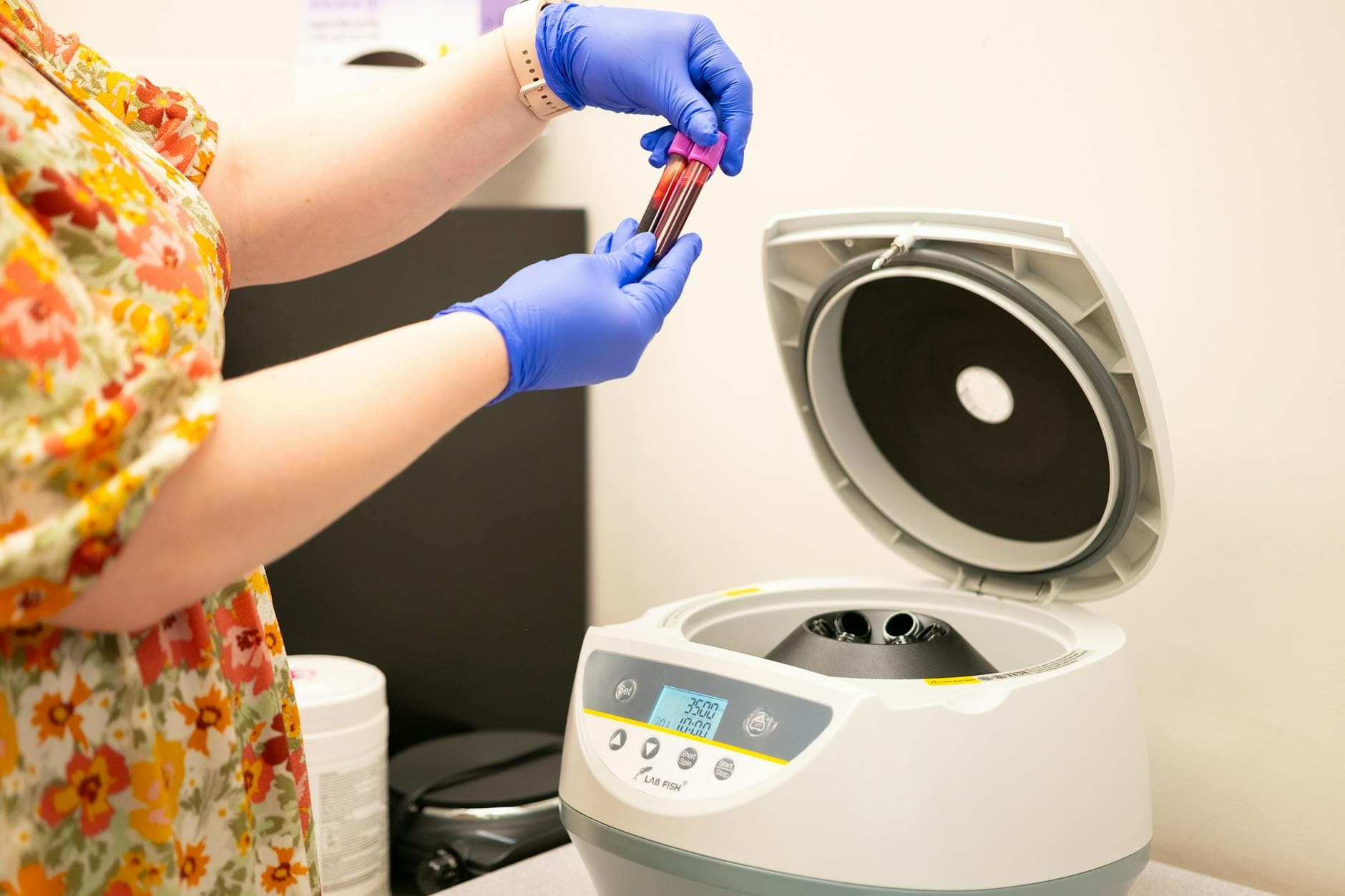
PRP is often the first service line pain management practices evaluate. The devices are straightforward, the protocol is reproducible, and the revenue model is cash pay: collected at time of service with no insurance billing. Clinical education and ongoing support included with every product.
Also available for your practice:
Clinical Evidence
For pain management physicians, guideline updates shift the conversation with credentialing committees, referral networks, and patients. The ASIPP 2025 update addresses regenerative therapies directly, and the published RCT data continues to accumulate.
The 2025 ASIPP clinical practice guidelines address regenerative therapies for chronic low back pain with 19 recommendations achieving 100% panel agreement across 35 authors. PRP is addressed for intradiscal and epidural applications (Level III evidence) and for facet and sacroiliac joint applications (Level IV evidence). Published in Pain Physician (Vol. 28, Supplement 7, pp. S1-S119). [1]
A 2024 systematic review of 11 RCTs (730 patients) compared PRP and corticosteroid injection for lateral epicondylitis. Corticosteroids favored short-term outcomes (under 2 months); PRP favored long-term outcomes (6 months and beyond). [2] Your clinical judgment, informed by the available evidence, guides patient selection.
The evidence informs the conversation. Your clinical judgment determines how these therapies fit your practice.
Published Comparisons
Corticosteroids have a defined role in pain management and a long track record. The question is not whether corticosteroids work. It is what happens when PRP and corticosteroids are studied side by side in randomized controlled trials.
A 2024 systematic review of 11 RCTs involving 730 patients compared PRP and corticosteroid injection for lateral epicondylitis: corticosteroids favored short term, no difference at medium term, PRP favored long term. [2]
Your clinical judgment determines which patients are candidates for which approach, and when each is appropriate. Adding PRP to your protocol does not require removing corticosteroids from it.
Key context for your practice:
Practice Economics
Pain management practices face per-procedure reimbursement pressure. PRP and shockwave are cash pay service lines that collect at time of service: no authorization, no denials, no 90-day AR lag.
Revenue varies by utilization, geography, patient volume, and practice type. These figures reflect published data, not projections of individual performance.
Cash pay revenue is additive to your existing reimbursement-based volume without the authorization overhead.
Common Questions
Important Disclosures
Device disclaimer
PRP preparation devices distributed by Luci Medical are FDA-cleared Class II medical devices for concentrating autologous platelets from patient blood. Shockwave therapy devices distributed by Luci Medical are FDA-cleared Class II medical devices for specific orthopedic indications. Clinical applications are determined by the treating provider's clinical judgment. Uses beyond a device's cleared indication are considered beyond cleared indications. Clinical application decisions rest with the treating provider. Luci Medical provides published clinical literature to support informed decision-making.
Research citation disclaimer
Clinical research citations on this page reference published, peer-reviewed studies. Citations are provided for educational context and do not constitute endorsement of any specific clinical protocol. Study findings reflect the patient populations, endpoints, and conditions studied and may not generalize to all patients or practice settings. Individual outcomes vary based on patient health, condition, and clinical protocol.
Guideline disclaimer
References to ASIPP clinical practice guidelines are provided for educational context. Guideline language reflects the organization's synthesis of published evidence as of the date of publication. Guidelines do not constitute legal, compliance, or clinical advice. Consult your specialty society publications directly for current guideline text.
Revenue and financial disclaimer
Financial figures reflect published research data (Tiao et al., 2024; Magruder et al., 2024) and are provided as educational reference points. They are not projections, guarantees, or representations of what any individual practice will achieve. Revenue varies by utilization, geography, patient volume, practice type, and other factors. Individual results vary.
You've seen the evidence and the economics. Let's talk about whether PRP or shockwave fits your practice.